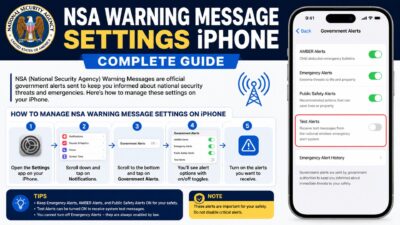
Unexpected security alerts can make anyone uneasy. Whether a warning appears on a phone, tablet, computer, or web browser, many users immediately start searching for answers. If you have recently encountered a security notification and searched for nsa warning message settings, you are probably trying to determine whether the alert is legitimate and what steps you should take next.
Security warnings are designed to draw attention to potential risks, unusual activity, or privacy concerns. However, not every warning message is genuine. Some notifications are legitimate system alerts, while others may be misleading pop-ups created by websites, advertisements, or scams. Understanding the difference is essential for protecting your information.
The good news is that a few simple security habits can help you stay safer online. This guide provides practical reminders, awareness messages, and security-focused tips that can help users better understand warning notifications and manage device security settings effectively.
Top NSA Warning Message Settings Messages
These security-focused messages highlight good digital safety practices.
- Always verify the source of any unexpected security alert.
- Review device security settings regularly.
- Protect your accounts with strong passwords.
- Enable additional account protection whenever possible.
- Security alerts should never be ignored without verification.
- Keep your software updated for improved protection.
- Verify warning messages before taking action.
- Be cautious when clicking unfamiliar links.
- Stay informed about privacy and security settings.
- Protect personal information with good security habits.
- Use trusted networks whenever possible.
- Security awareness helps reduce online risks.
- Review app permissions regularly.
- Verify account activity often.
- Keep backup copies of important information.
- Strong passwords improve digital security.
- Stay alert to unusual notifications.
- Check privacy settings periodically.
- Use secure authentication methods.
- Good security habits start with awareness.
- Review connected devices regularly.
- Protect sensitive information carefully.
- Security begins with informed decisions.
- Stay proactive about online safety.
- Digital awareness supports better protection.
Short NSA Warning Message Settings Messages
These quick reminders are easy to remember and share.
- Verify every security alert.
- Stay aware online.
- Protect your privacy.
- Use strong passwords.
- Update your devices.
- Check security settings.
- Stay security conscious.
- Review permissions regularly.
- Verify before clicking.
- Protect your accounts.
- Stay informed.
- Secure your information.
- Monitor account activity.
- Use trusted sources.
- Check notifications carefully.
- Stay cautious online.
- Enable security features.
- Review privacy controls.
- Protect valuable data.
- Keep software updated.
- Stay proactive.
- Watch for suspicious activity.
- Verify unfamiliar messages.
- Secure your digital life.
- Practice safe browsing.
Best NSA Warning Message Settings Messages for Sharing
These messages are ideal for awareness posts, educational content, and security discussions.
- Good security habits begin with understanding the alerts you receive.
- Taking a few minutes to review settings can improve digital safety.
- Security awareness is one of the best forms of protection.
- Strong passwords remain an essential security tool.
- Privacy settings deserve regular attention.
- Digital safety starts with informed choices.
- Verify warning messages before responding.
- A cautious approach can prevent unnecessary risks.
- Small security improvements can make a significant difference.
- Staying informed helps users make smarter decisions.
- Protecting personal information should always be a priority.
- Security settings are valuable tools for online protection.
- Awareness and prevention often work hand in hand.
- Review device settings before problems occur.
- Good digital habits support long-term security.
- Security updates help improve protection.
- A secure account begins with responsible management.
- Stay alert to unexpected notifications and requests.
- Strong security practices reduce online risks.
- Trust verified information sources.
- Privacy awareness supports safer technology use.
- Digital protection starts with everyday habits.
- Security is a continuous process.
- A well-protected device starts with informed users.
- Smart security decisions help prevent future issues.
One-Line NSA Warning Message Settings Messages
Sometimes, the most effective security reminders are the simplest ones. These one-line messages are easy to remember, share, and use in awareness content related to NSA warning message settings.
- Always verify a warning message before taking action.
- Security starts with staying informed.
- Protect your accounts with strong passwords.
- Never trust unexpected pop-up alerts immediately.
- Review your security settings regularly.
- Keep your software updated at all times.
- Verify links before clicking them.
- Stay alert to unusual account activity.
- Enable additional account protection whenever possible.
- Privacy settings deserve your attention.
- Be cautious with unfamiliar notifications.
- Use trusted websites and applications.
- Protect personal information carefully.
- Security awareness helps prevent mistakes.
- Stay proactive about online safety.
- Review connected devices frequently.
- Monitor login activity regularly.
- Secure your accounts before problems occur.
- Check notification sources carefully.
- Good security habits make a difference.
- Protect sensitive information online.
- Stay informed about digital threats.
- Security is a daily responsibility.
- Verify before you trust.
- Smart users review alerts carefully.
- Strong passwords create stronger protection.
- Digital awareness reduces security risks.
- Privacy protection starts with good habits.
- A secure account begins with smart choices.
- Stay vigilant and protect your information.
Best Messages for Captions
These caption-style messages work well for social media posts, security awareness campaigns, technology blogs, and educational content.
A security alert can feel alarming, but understanding the message and verifying its source is often the first step toward staying safe.
- Online security is not about fear; it is about awareness and preparation.
- Taking a few minutes to review your security settings can save hours of frustration later.
- Good security habits today can prevent major problems tomorrow.
- Digital safety starts with understanding the notifications you receive.
- Privacy protection begins with informed decisions.
- Every security setting exists for a reason—take time to understand it.
- Smart users verify information before reacting to warnings.
- Security awareness is one of the strongest defenses against online threats.
- A secure device is built on consistent habits, not one-time actions.
- Staying informed helps you make better decisions online.
- Strong passwords and smart habits remain powerful security tools.
- Security is easier when it becomes part of your daily routine.
- Protecting your information starts with paying attention to details.
- Awareness is often the difference between safety and risk.
- Security alerts should encourage caution, not panic.
- Digital protection begins with understanding your device settings.
- Technology works best when users understand how to protect themselves.
- Staying proactive is one of the simplest ways to improve security.
- A few smart precautions can prevent many common problems.
- Security settings are not just options; they are valuable tools.
- Online safety is built one good habit at a time.
- Protect your privacy by staying informed and alert.
- Security awareness benefits everyone.
- Smart choices today create safer experiences tomorrow.
- The best security strategy is staying informed and prepared.
Copy-Paste Ready Messages
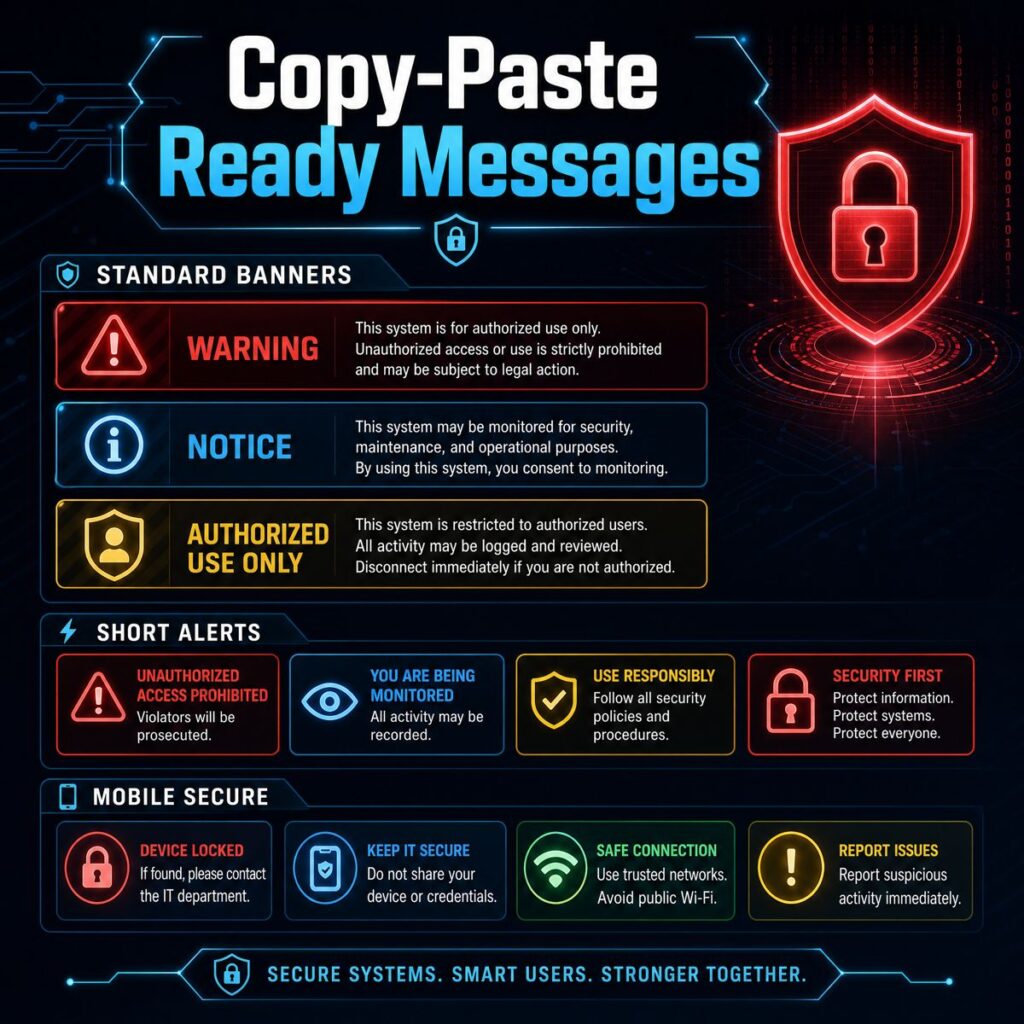
These ready-made messages can be used when discussing security alerts, warning notifications, privacy concerns, or device settings with friends, family members, colleagues, or customers.
General Security Alert Message
- If you receive an unexpected warning notification, take a moment to verify the source before responding. Legitimate alerts can usually be confirmed through official settings or trusted services.
Privacy Awareness Message
- Privacy settings play an important role in protecting personal information. Reviewing them regularly can help improve your overall digital security.
Device Security Reminder
- Keeping your device updated with the latest software version helps protect against known security vulnerabilities and improves overall performance.
Account Protection Message
- Make sure your accounts are protected with strong passwords and additional authentication methods whenever available. These simple steps can significantly improve security.
Family Safety Message
- If you see a suspicious warning message, avoid clicking links immediately. Verify the notification through trusted sources before taking any action.
Workplace Security Message
- Security awareness is everyone’s responsibility. Please review your settings, verify alerts carefully, and report suspicious activity when necessary.
Online Safety Reminder
- Staying informed about security settings and privacy controls helps reduce risks and improves your overall online experience.
Suspicious Notification Message
- Unexpected warnings should always be treated with caution. Verify the source, review account activity, and avoid sharing personal information until the alert is confirmed.
Digital Security Awareness Message
- Strong security habits include updating software, reviewing privacy settings, monitoring account activity, and staying alert to unusual notifications.
Best Practice Security Message
- Good security practices do not require advanced technical skills. Simple habits such as using strong passwords, enabling security features, and verifying alerts can provide meaningful protection.
Frequently Asked Questions About NSA Warning Message Settings
What are NSA warning message settings?
- The term NSA warning message settings is commonly used by people searching for information about security alerts, privacy notifications, suspicious warning messages, or device security settings. In most cases, it refers to understanding and managing security-related notifications rather than a specific setting called “NSA warning.”
Are all warning messages legitimate?
- No. Some warning messages come directly from your operating system, browser, or trusted applications. Others may be generated by websites, advertisements, phishing attempts, or scams. Always verify the source before clicking links, downloading files, or providing personal information.
What should I do if I receive a suspicious warning message?
- Stay calm and avoid interacting with the notification immediately. Close the suspicious page if possible, review your device security settings, check account activity, and verify the alert through official channels or trusted support resources.
How can I improve my device security settings?
- Keep software updated, use strong and unique passwords, enable two-factor authentication, review privacy settings regularly, and monitor account activity for unusual behavior. These practices can significantly improve your overall security.
Why do security warning messages appear?
- Security alerts may appear because of software updates, login attempts, suspicious activity, privacy concerns, unsafe websites, or device settings that require attention. Their purpose is to help users identify and address potential risks.
Can security alerts help protect my information?
- Yes. Legitimate security alerts are designed to notify users about potential issues before they become larger problems. Paying attention to these notifications can help protect personal data, accounts, and devices.
Conclusion
Understanding NSA warning message settings is an important part of maintaining digital security in today’s connected world. While unexpected notifications can sometimes be confusing or concerning, learning how to identify legitimate alerts and respond appropriately can help you stay protected. The key is not to panic but to approach every warning message with caution and verification.
The reminders, security messages, and best practices shared throughout this guide are designed to help users build stronger digital habits. Simple actions such as updating software, reviewing privacy settings, enabling additional account protection, and verifying unusual notifications can make a significant difference in overall security. Many online risks can be reduced through awareness, preparation, and consistent attention to security settings.
Whether you are managing a smartphone, tablet, laptop, or desktop computer, taking a proactive approach to security is always worthwhile. Save this guide for future reference and share it with friends, family members, or coworkers who may benefit from learning more about security notifications and privacy settings.
Remember that the strongest defense against digital threats is not a single tool or setting—it is a combination of awareness, smart decision-making, and good security habits practiced consistently over time. By staying informed and cautious, you can create a safer and more secure online experience for yourself and those around you.

Awais Bilal is the author of Messagesfy, sharing simple and meaningful messages, quotes, and wishes to help people express their feelings easily.